
Skip to content

Why HIPAA readiness gets messy fast.

Most teams need a clearer, more current way to manage HIPAA.


Many teams are trying to modernize an aging HIPAA program, strengthen patient-data protection, and prepare for what comes next at the same time. 

What makes HIPAA readiness harder now:

  • ePHI touches more systems, vendors, and workflows than older HIPAA programs were built to support.
  • Policy libraries and procedures lag behind how the organization works today.
  • Evidence is scattered across teams, tools, tickets, inboxes, and local processes.
  • Vendor ecosystems have grown, which makes BAA oversight and shared responsibility harder to manage at scale.
  • Regulatory pressure is pushing organizations toward better-documented, more current, and more defensible programs.  
  • Artificial intelligence (AI)
  • Shrinking budgets and efficiency concerns

Healthcare
315719

How Reveal Risk helps


We help you modernize the program you already have and make it easier to defend.

Our approach is in-depth and practitioner-led. We connect risk analysis, safeguards, documentation, vendor oversight, and evidence so the program is easier to manage internally and easier to explain externally. We do not show up with generic templates or tools and ask your team to force-fit them into a live environment. We work with what’s in place, improve what’s outdated, and build the parts that need to be stronger. 

What that looks like in practice:

  • We assess your current HIPAA risk, safeguards, policies, and evidence against how your environment operates.
  • We identify where the program is stale, fragmented, or hard to defend under scrutiny.
  • We modernize documentation and governance so they reflect current systems, vendors, and workflows.
  • We build practical remediation plans with clear owners, realistic next steps, and cross-framework reuse where it makes sense.
  • We organize evidence so your team can answer questions without turning every request into a fire drill.

Where teams usually get stuck

Small gaps grow over time and get exposed when someone asks for proof.

Most organizations we work with have capable people and meaningful controls in place. Many HIPAA programs have not kept pace with growth, new tools, vendor sprawl, changing workflows, and rising expectations. Risk analyses no longer reflect reality. Policies do not match actual operations. BAAs are hard to track. Evidence is difficult to assemble quickly. These are common signs that the program needs modernization and tighter operational alignment.

Where clients typically need help:   

Group 369
Modernize your risk analysis
Turning a legacy or point-in-time assessment into a current, defensible HIPAA risk analysis.
Group 372
Strengthen vendor oversight
Managing business associates and subcontractors in a way that ties BAAs to real vendor risk oversight.
Group 136 (1)
Align policies to practice
Aligning policies and procedures to how teams handle ePHI today.
Group 354
Build audit-ready evidence
Organizing audit-ready evidence so control performance is easier to validate and explain.
Group 358
Prepare for breach response
Strengthening breach investigation, response, and notification processes before they are tested in real time. (We offer full, tailored Incident Response planning services and tabletop exercises.)
Group (6)
Reduce compliance duplication
Reusing work across HIPAA, NIST, ISO 27001, SOC 2, and internal governance efforts instead of duplicating it.
map-once-nis-2-reveal-risk

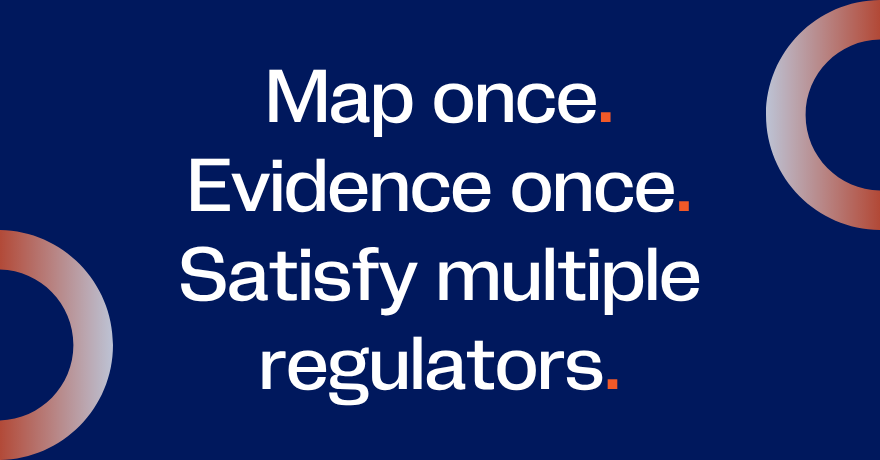
Integrate, don't duplicate.

We embed HIPAA readiness into the governance, risk, and compliance structures you already run instead of building a parallel HIPAA-only program. Map once. Evidence once. Reduce duplicate effort and give operators a program they can sustain. 

Who this is for.

We work with organizations that want a HIPAA program that is current, practical, and easier to stand behind.

Keep reading if you're looking for HIPAA accountability and want help modernizing, tightening, or scaling the program, from people who have done it before (many times). We work with all covered entities, business associates, and healthcare-adjacent organizations whose services rely on handling ePHI or PHI in complex environments. HIPAA’s requirements apply to covered entities and business associates, and HHS’s Security Rule focuses on administrative, physical, and technical safeguards for protecting ePHI. 


Organizations we help most often: 

  • We partner frequently with HIPAA-covered organizations of all sizes, including:
    • hospitals and hospital networks
    • pharmaceutical companies
    • biological and life science organizations
    • health insurance and carrier organizations. 
  • Healthcare technology, services, and operational support organizations trusted with PHI or ePHI.
  • Teams preparing for tougher customer, auditor, or regulator questions about HIPAA readiness.
  • Organizations strengthening patient-data protection while preparing for future HIPAA changes and rising expectations.
14 at 12 LI

HIPAA readiness FAQs. 

Image of man and woman at work drawing on sketchboard
How do I know if my HIPAA program would hold up?
What do I need to know about upcoming HIPAA changes?
How often should we do a HIPAA risk analysis?
How do I know if HIPAA applies to my organization?
What’s the difference between being HIPAA compliant and being HIPAA ready?
How do HIPAA business associate agreements (BAAs) fit into our security program?
What should a HIPAA Security Rule risk analysis include?
What are the most important technical safeguards for HIPAA Security Rule compliance?

Prepare for what's next.

Get the latest from our team.